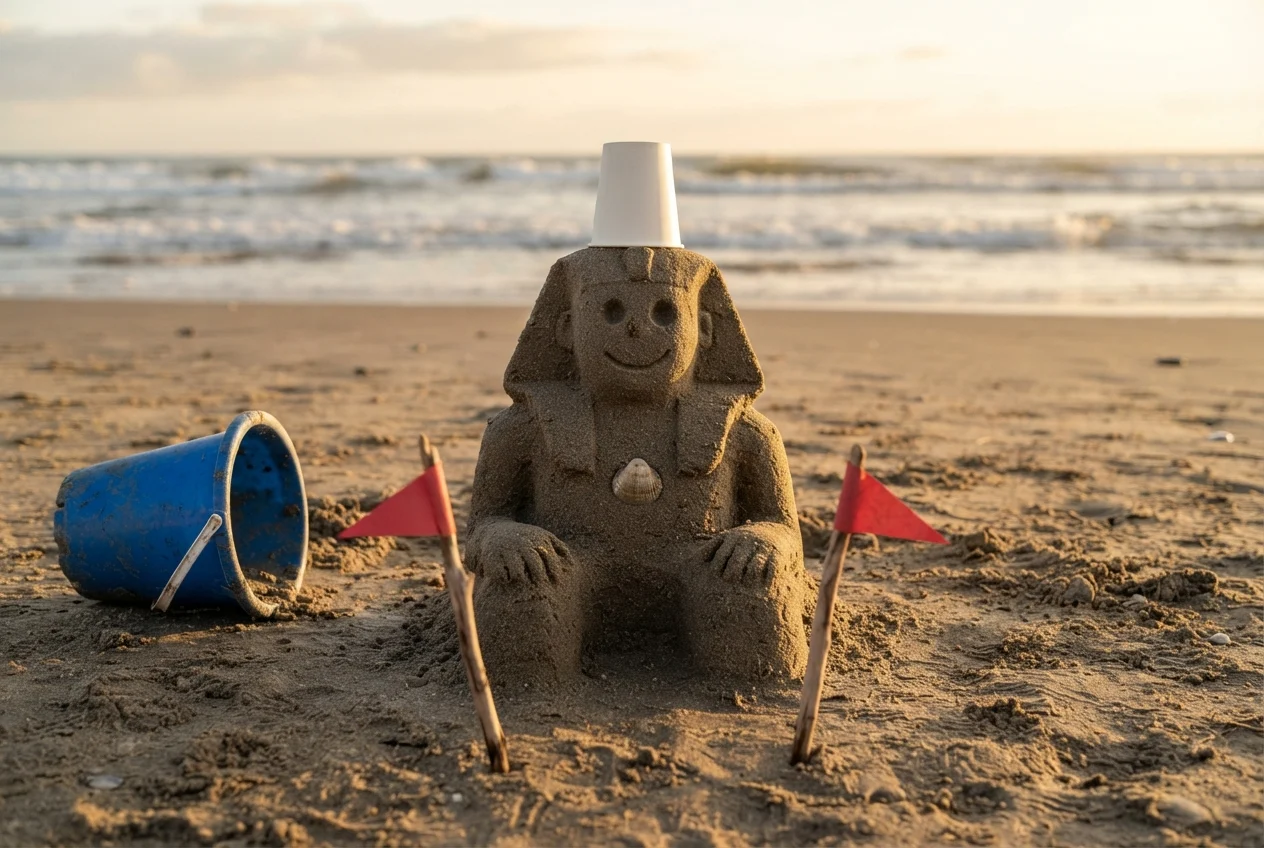
The Sand King and the Tide
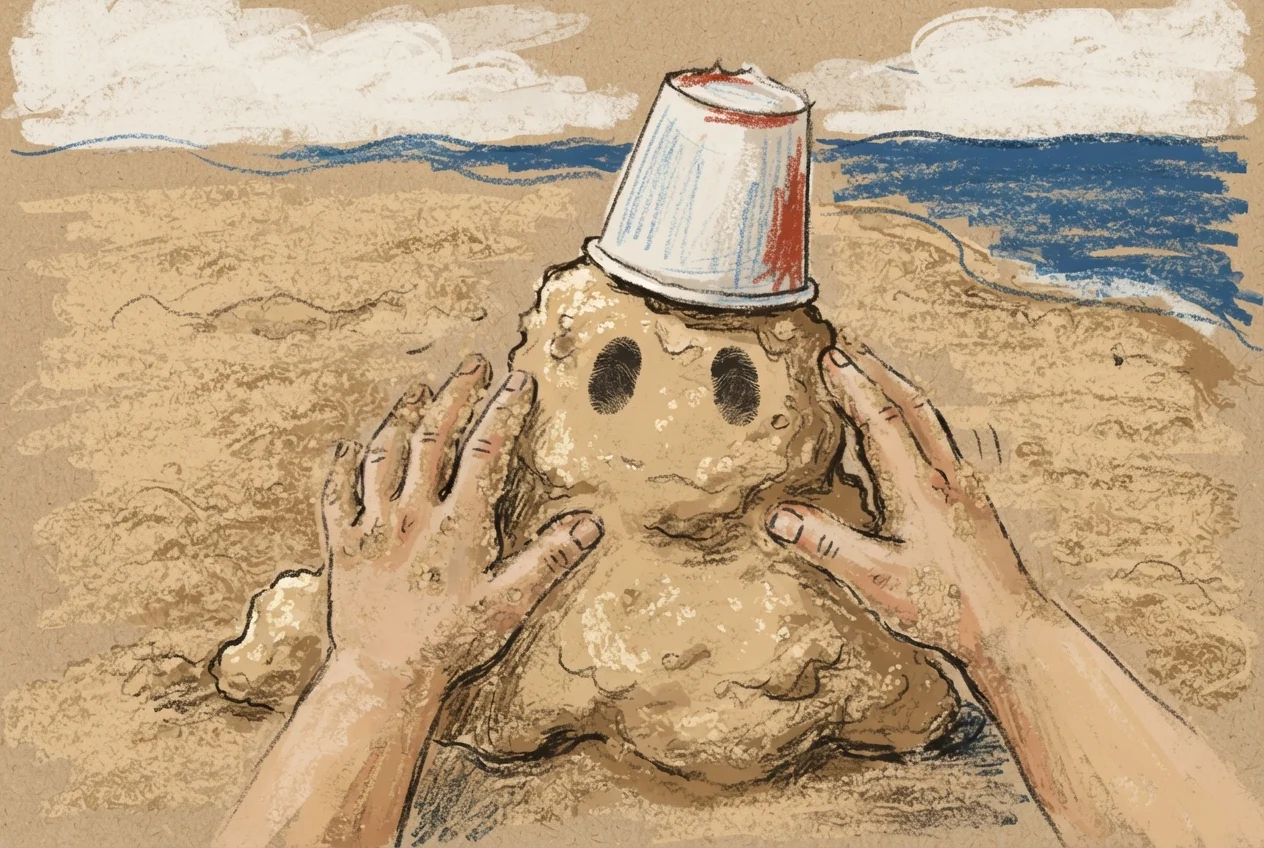
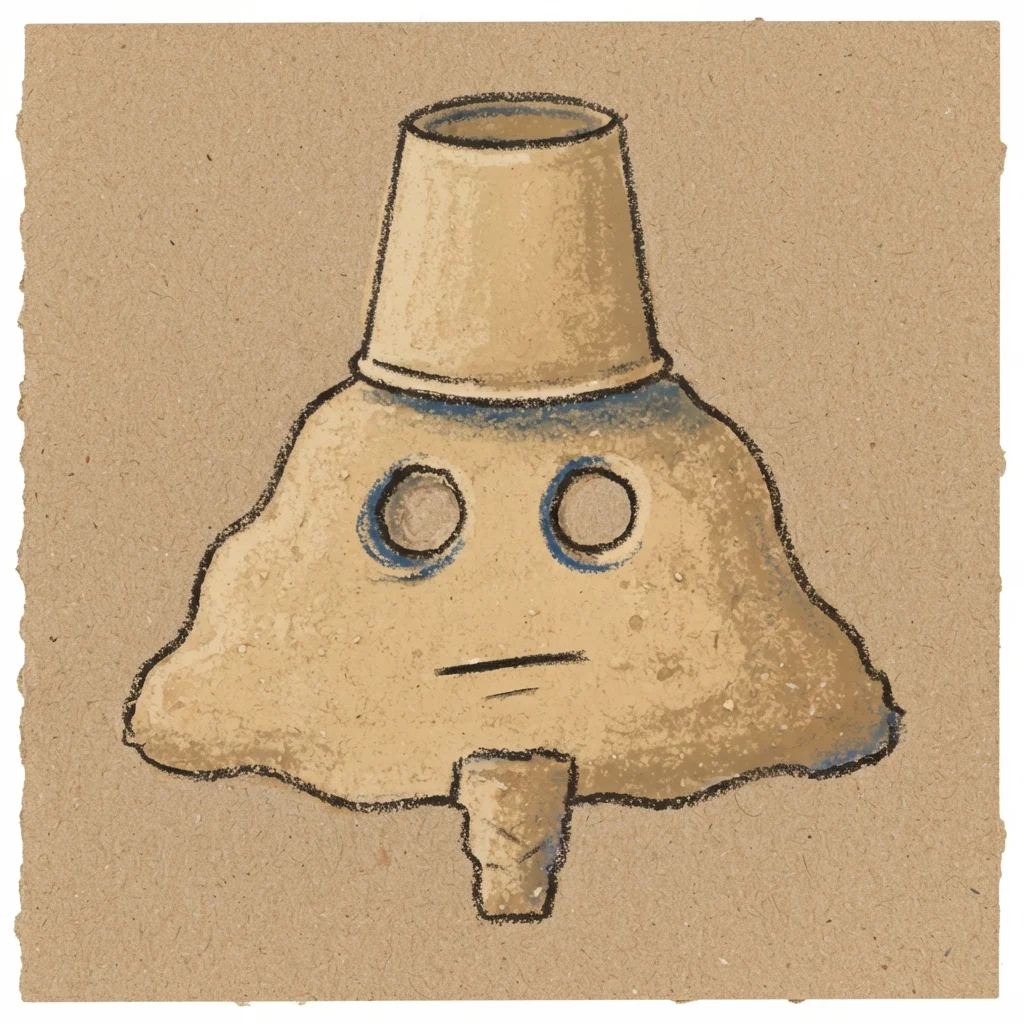
This is the sand king. He is made of sand.
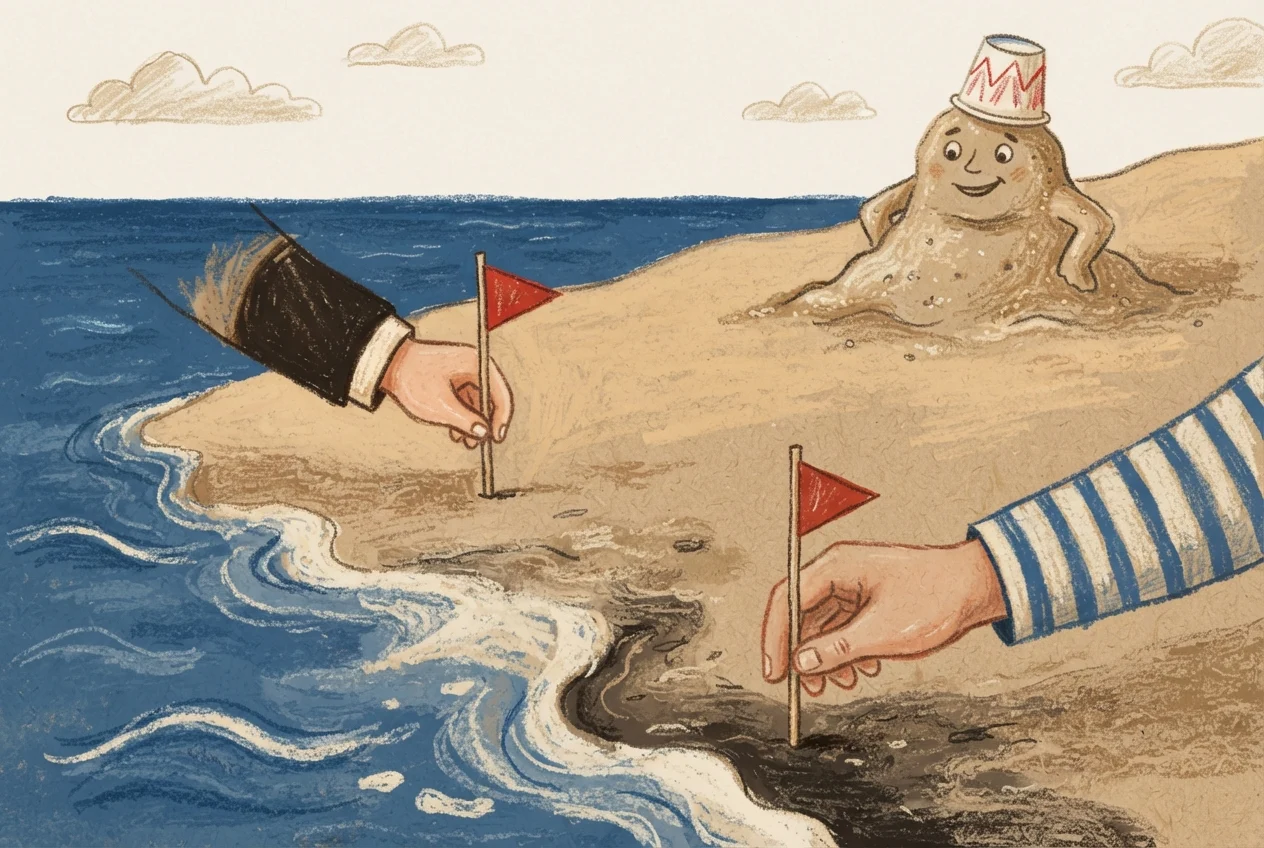
Put two sticks in the sand. One low. One high.
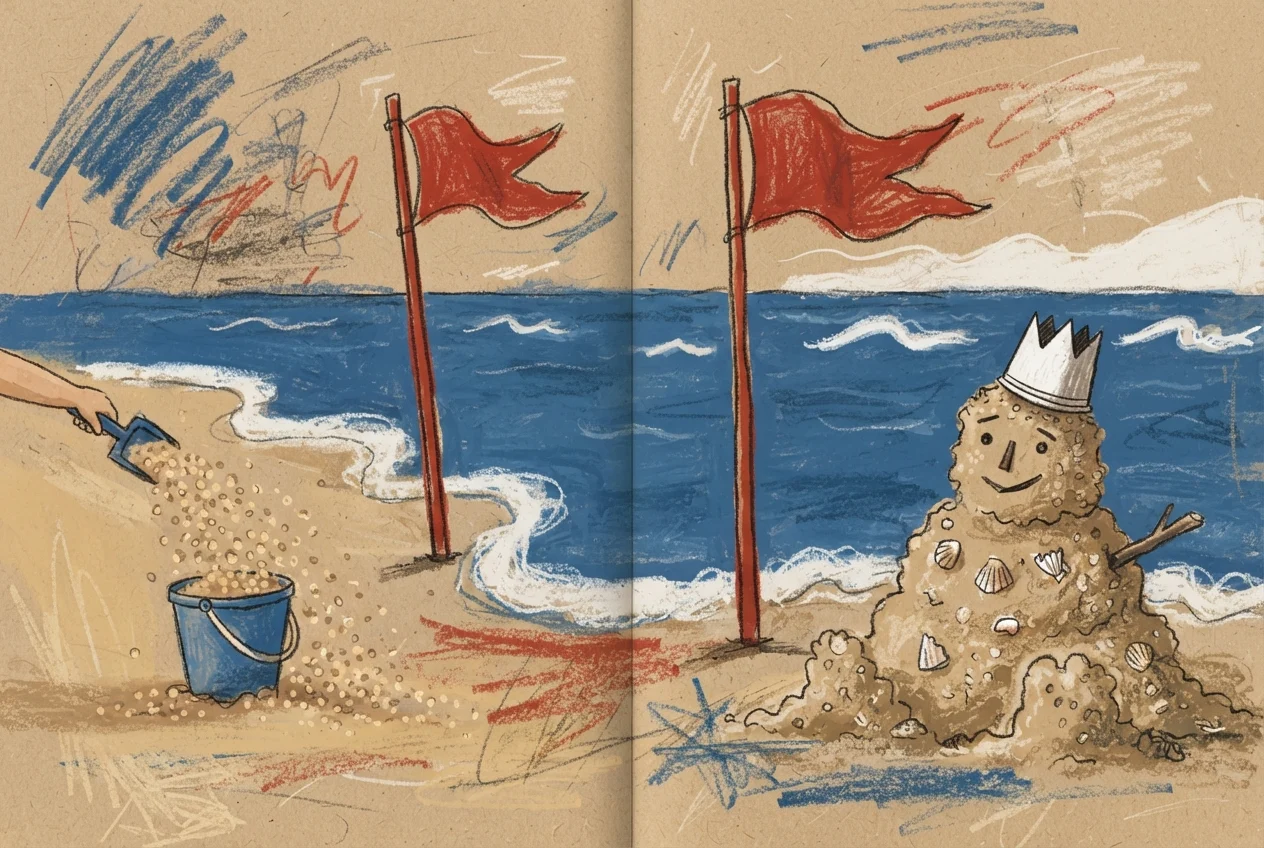
When the water is between the sticks, sand goes in the bucket.
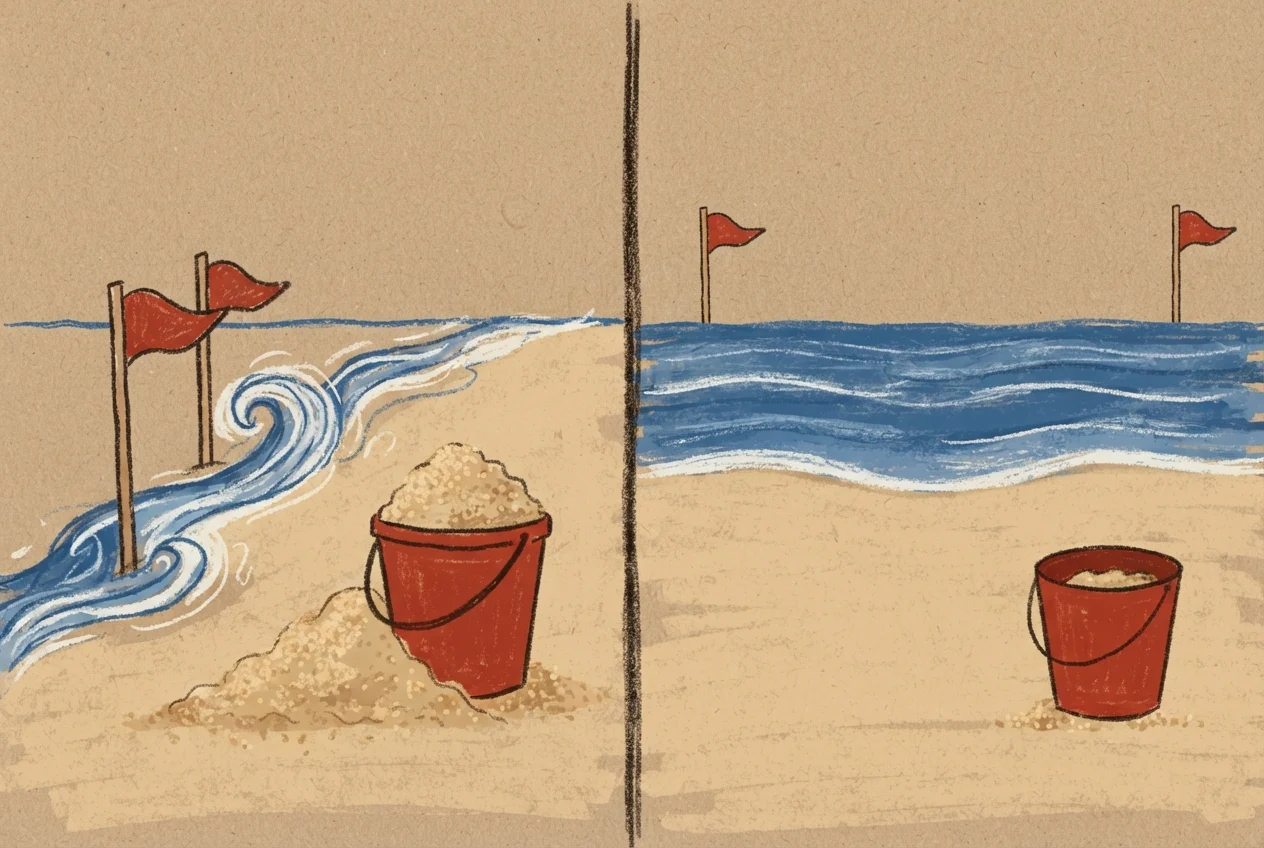
Close sticks: a short visit, a full bucket. Far sticks: a long visit, a little sand.
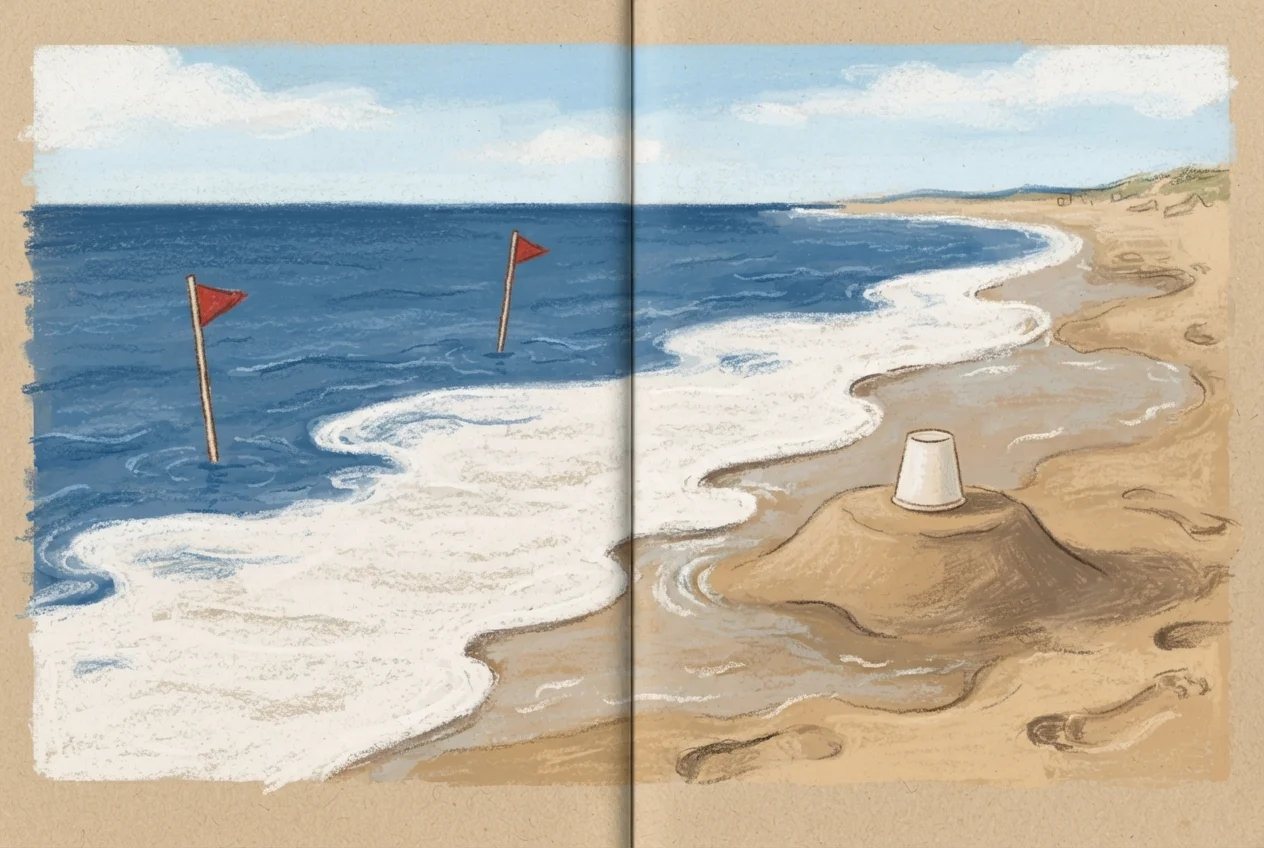
Sometimes the big water comes. He goes back to sand.
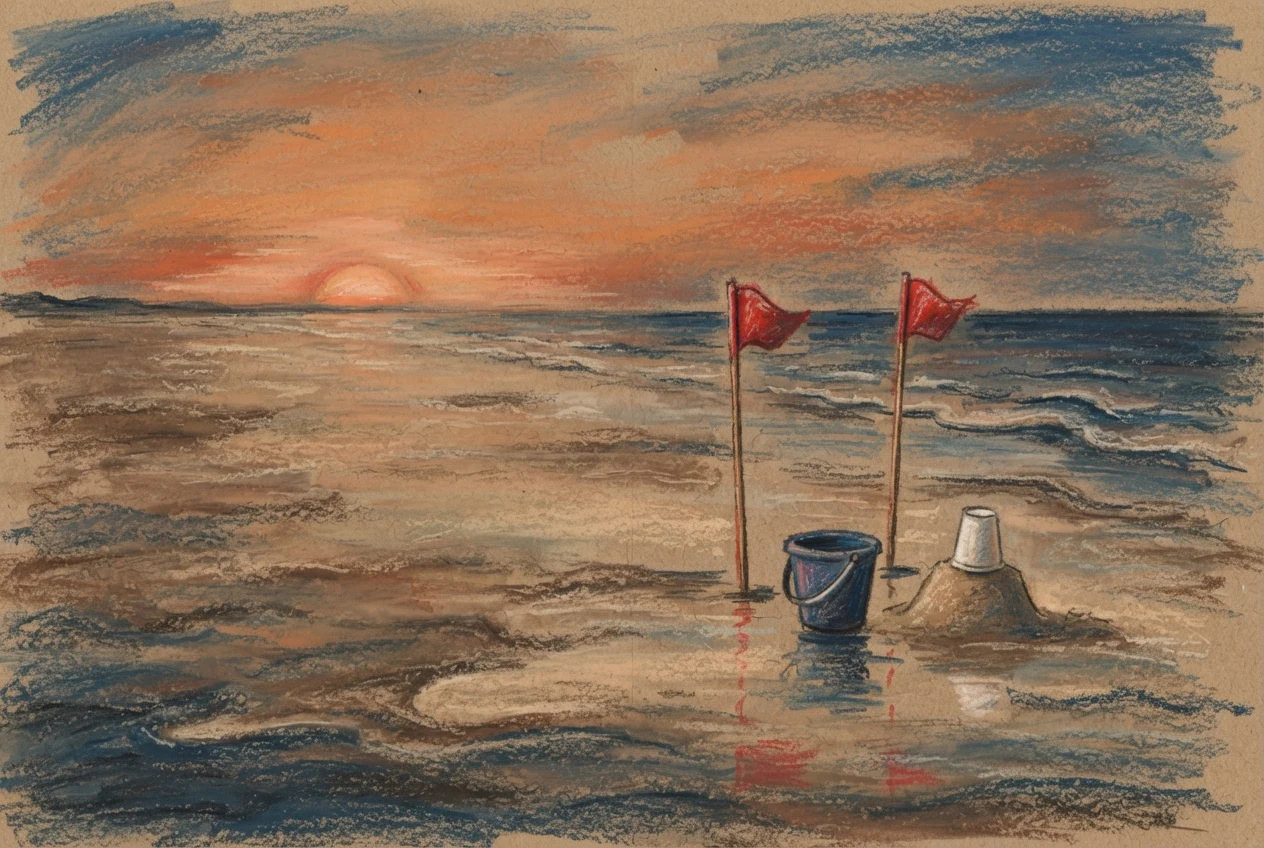
Nobody knows if tomorrow's water is bigger. The sticks wait.
For grown-ups
SANDKING is a meme token. This site sells nothing and gives no financial advice. The two sticks are a toy, not a calculator, and the tide on the beach is not live data: it is a loop that runs in your browser and starts again when you reload.
The far water is real. 0.31°N 85.46°E is in the open central Indian Ocean, just north of the equator, kilometres deep and far from land. The Bengal Fan, a vast apron of sediment carried down from the Himalaya by the Ganges and Brahmaputra, reaches the central abyssal plain south of the equator (a 1993 paper in Marine Geology; IODP Expedition 354). So the seabed at that point is probably fan sand that came from the mountains, though none of these sources draws the fan's edge exactly at the equator. The far fan sits inside a diffuse plate boundary, where the seafloor has been folding into long waves about 150–200 km apart since the Miocene (on the timing of that folding). Beneath it lies the buried 85°E Ridge.
The king's face is inspired by small unfired clay figures made in Egypt around 1800–1550 BC: pressed-in eyes, a scratched mouth, and clay that water turns back into earth.
Sources as of {{ asOf }}.